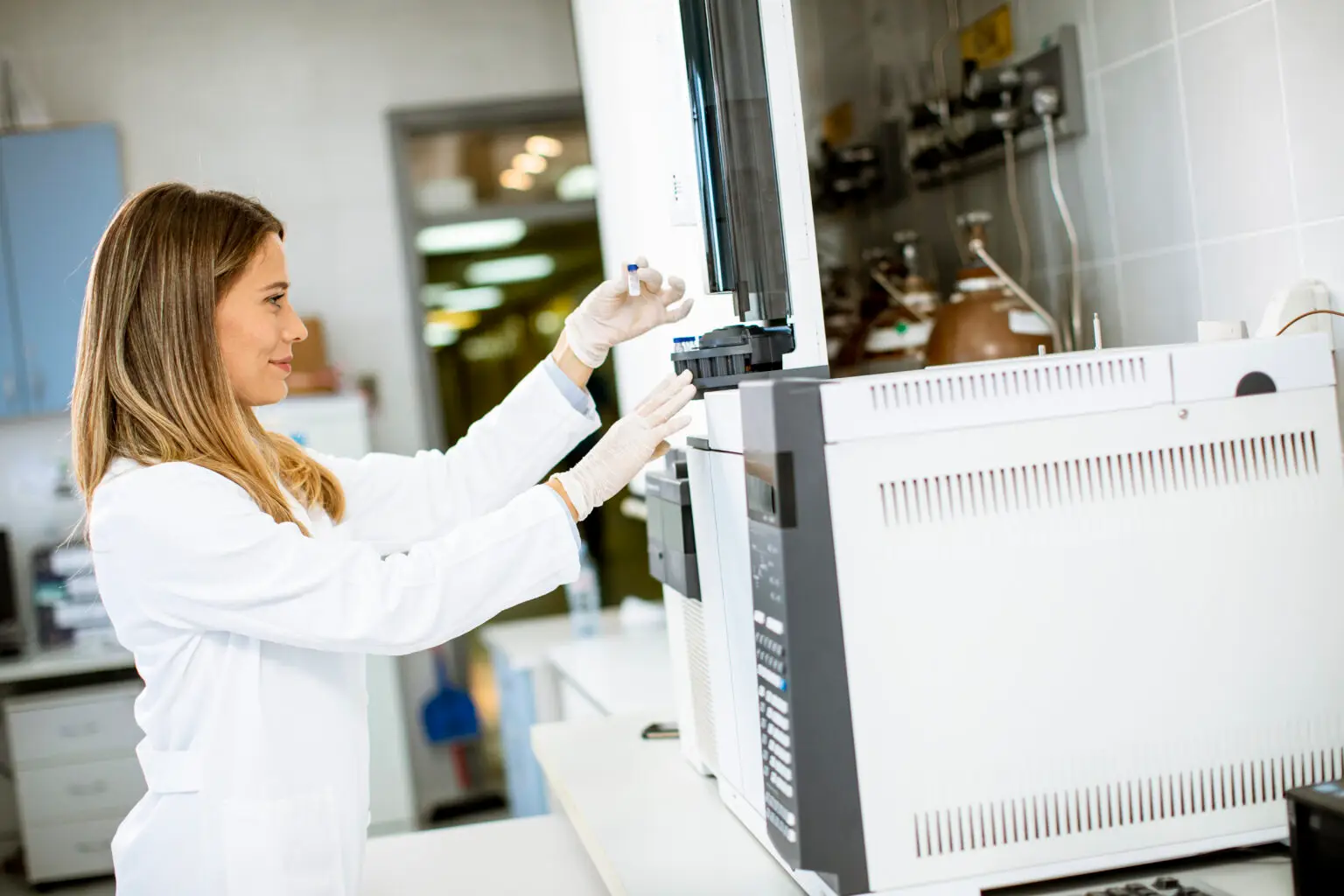
How does an Electronic Nose Work?
The EOS Ambiente electronic olfactory system (produced by SACMI) is a sensor-based instrument designed for long-term field installation. Unlike dynamic olfactometry — which measures odour at the emission source — the electronic nose analyses ambient air continuously, detecting odour at the concentrations actually perceived by the surrounding population.
The system operates automatically, day after day, accounting for meteorological variability and fluctuations in the emission itself over time.
- Continuous 24/7 operation
- Qualitative source recognition
- Quantitative odour concentration
- Long-term field deployment
- Real-time ambient air analysis
- Meteorological data integration
What is an Electronic Nose?
UNDERSTANDING THE TECHNOLOGY
EOS Ambiente is an innovative system for the continuous, automated monitoring of olfactory impact in ambient air. It enables both qualitative recognition of odour sources and quantitative determination of odour concentration in the analysed air — simultaneously and in real time.
The electronic nose detects odour precisely where it can be perceived by the public — at a facility boundary, in a town square, or in a residential garden. Progress S.r.l. and SACMI are also actively researching the application of electronic noses to continuous emission monitoring as part of Automated Monitoring Systems (AMS).
Benefits of Electronic Nose Monitoring
The electronic nose is powerful and indispensable when continuous territorial impact monitoring is required — especially in cases where the inherent limitations of dynamic olfactometry prevent complete monitoring of complex or variable odour sources.
Continuous Monitoring
Unlike one-off olfactometric tests, the electronic nose operates 24/7 — capturing the full variability of odour emissions over days, weeks, or months.
Multiple Source Identification
When several odour sources are present in the area, the system identifies which source causes the greatest impact at a given receptor — and for how long.
Fugitive & Extended Sources
Ideal for facilities with extended or fugitive emission sources — landfills, open waste storage, anaerobic digestion plants — that are difficult or impossible to monitor with conventional methods.
Residential Impact Assessment
Detects odour at the concentrations perceived by the public — at facility boundaries, in residential areas, or at any sensitive receptor location specified by authorities.
Where is it Most Useful?
FIELDS OF APPLICATION
- Multiple odour sources in the same area
- Extended sources (landfills, open storage)
- Fugitive sources (unsealed tanks, complex piping)
- Highly variable emissions over time
- Complex microclimates & variable wind
- Long-term territorial impact monitoring
- Regulatory compliance verification
- Citizen complaint investigation
Frequently
Asked Questions
Questions we often asked
What is the difference between dynamic olfactometry and an electronic nose?
Dynamic olfactometry measures odour concentration at the emission source, before it disperses. The electronic nose monitors ambient air continuously — detecting odour where it can actually be perceived by the public, such as at a facility boundary or in a residential area.
How long can the system be deployed in the field?
The EOS Ambiente SACMI system is specifically designed for long-term field installation — operating continuously for days, weeks, months, or even years without interruption.
Can it identify which source is responsible for an odour complaint?
Yes. When multiple odour sources are present in the territory, the system can identify which source produces the greatest impact at a given receptor — and determine for how long its odour is perceptible there.
Is it suitable for facilities with fugitive emissions?
Yes. The electronic nose is specifically recommended for facilities with extended or fugitive emission sources — such as landfills, open waste storage, or anaerobic digestion plants — where conventional point-source monitoring is not feasible.
Who uses this service?
Both industrial plant operators wishing to monitor their overall olfactory impact, and public authorities or citizen associations seeking independent continuous monitoring of odour at specific receptor locations.